There is a particular kind of knowledge that lives in the body. It is not the kind you can write down or explain in words. It is the knowledge of a pirouette completed without thinking, of a fall caught at exactly the right moment, of breath synchronised with a partner you have danced with for years. Dancers call it muscle memory, but it is far more than that. It is a form of intelligence that the rest of the world is only beginning to understand.
How the Body Learns Movement
When a dancer learns a new phrase of choreography, the process begins in the conscious mind. You watch, you count, you think about where your arms should be and when your weight should shift. It is awkward and halting, full of small corrections and frustrated repetitions. But gradually, something shifts. The movement migrates from the thinking brain into the body itself.
Neuroscience tells us that this process involves the formation of new neural pathways, strengthened through repetition until they become automatic. The cerebellum, which coordinates voluntary movement, plays a central role. But for dancers, the experience is less clinical. It feels like the body simply starts to know what to do, as if the choreography has been absorbed through the skin.
This is why dancers often say they cannot remember a piece intellectually but can perform it perfectly the moment the music starts. The body remembers what the mind has forgotten.
The Language of Physical Expression
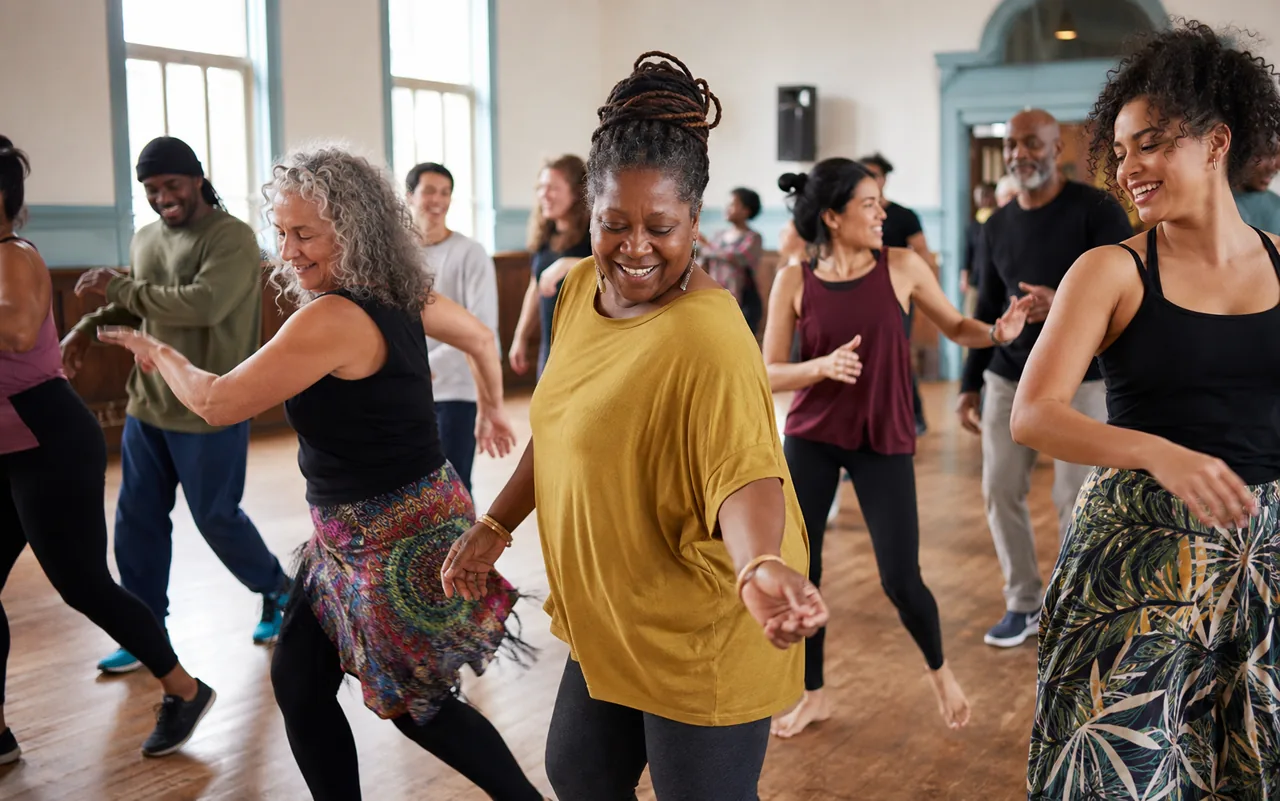
Dance is sometimes described as a universal language, and while that is an oversimplification, there is truth in it. A reaching arm, a collapsing spine, a sharp turn of the head: these movements communicate emotion directly, bypassing the need for translation. Audiences may not know the technical vocabulary, but they feel the grief in a slow descent to the floor or the joy in a series of rapid jumps.
This physicality is what separates dance from other performing arts. An actor uses words and facial expressions. A musician uses sound. A dancer uses the entire body as an instrument, and the message is carried in the quality of every gesture, the weight of every step, the tension in every pause.
Training and the Limits of the Body
Professional dancers train for hours every day, pushing their bodies to the edge of what is physically possible. Flexibility, strength, endurance, balance: these are not innate gifts but hard-won achievements, built through years of disciplined practice. The physical toll is considerable. Injuries are common, and many dancers live with chronic pain that they simply learn to manage.
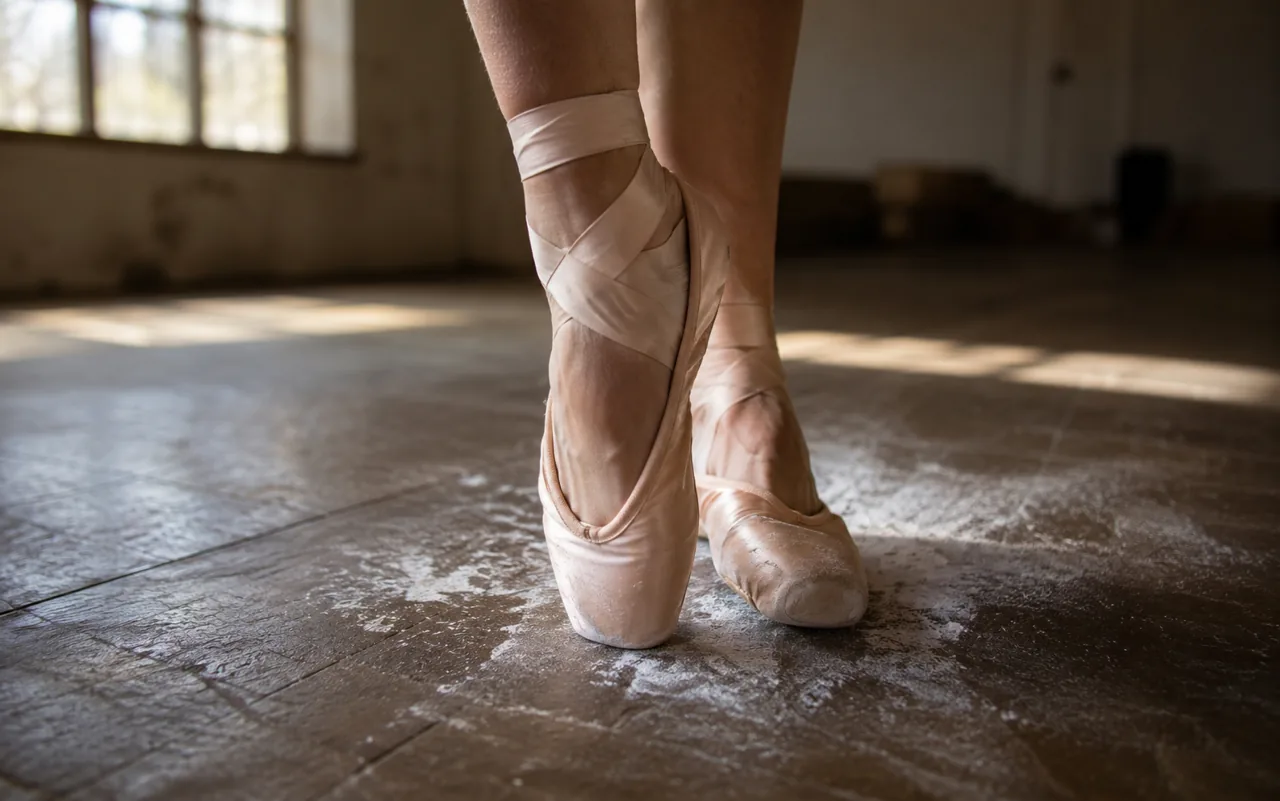
Yet there is a strange beauty in this commitment. The dancer's body is a record of every class taken, every rehearsal survived, every performance given. Calloused feet, muscular backs, hypermobile joints: these are the marks of a life spent in service to movement. They tell a story that no biography could capture.
Beyond the Studio
The physicality that dancers develop does not stay in the studio. It changes how they move through the world, how they sit, how they walk, how they carry themselves in a crowded room. There is an awareness of space and body that becomes second nature, a constant attentiveness to the mechanics of being alive.
For those of us who do not dance professionally, there is still something to learn from this. The body is not merely a vehicle for the brain. It thinks, it feels, it remembers. And when we pay attention to what it knows, we discover a richness of experience that no amount of thinking alone could provide.