Long before dance was something you watched on a stage, it was something you did with your neighbours. In village squares and church halls, at weddings and harvest festivals, people moved together not because they were trained performers but because dancing was how communities expressed themselves, celebrated, grieved, and simply spent time in each other's company.
The Social Roots of Dance
Every culture on earth has its social dances, forms that exist not for performance but for participation. The ceilidh in Scotland, the milonga in Argentina, the drum circle dances of West Africa: these traditions share a common purpose. They create a space where people can be physically close, synchronise their movements, and feel part of something larger than themselves.
There is growing scientific evidence that dancing together produces measurable changes in brain chemistry. Synchronised movement releases endorphins and oxytocin, the same hormones associated with bonding and trust. In other words, the sense of connection you feel on a dance floor is not just emotional. It is biochemical. Your body is literally rewiring itself to feel closer to the people around you.
Community Dance in Practice
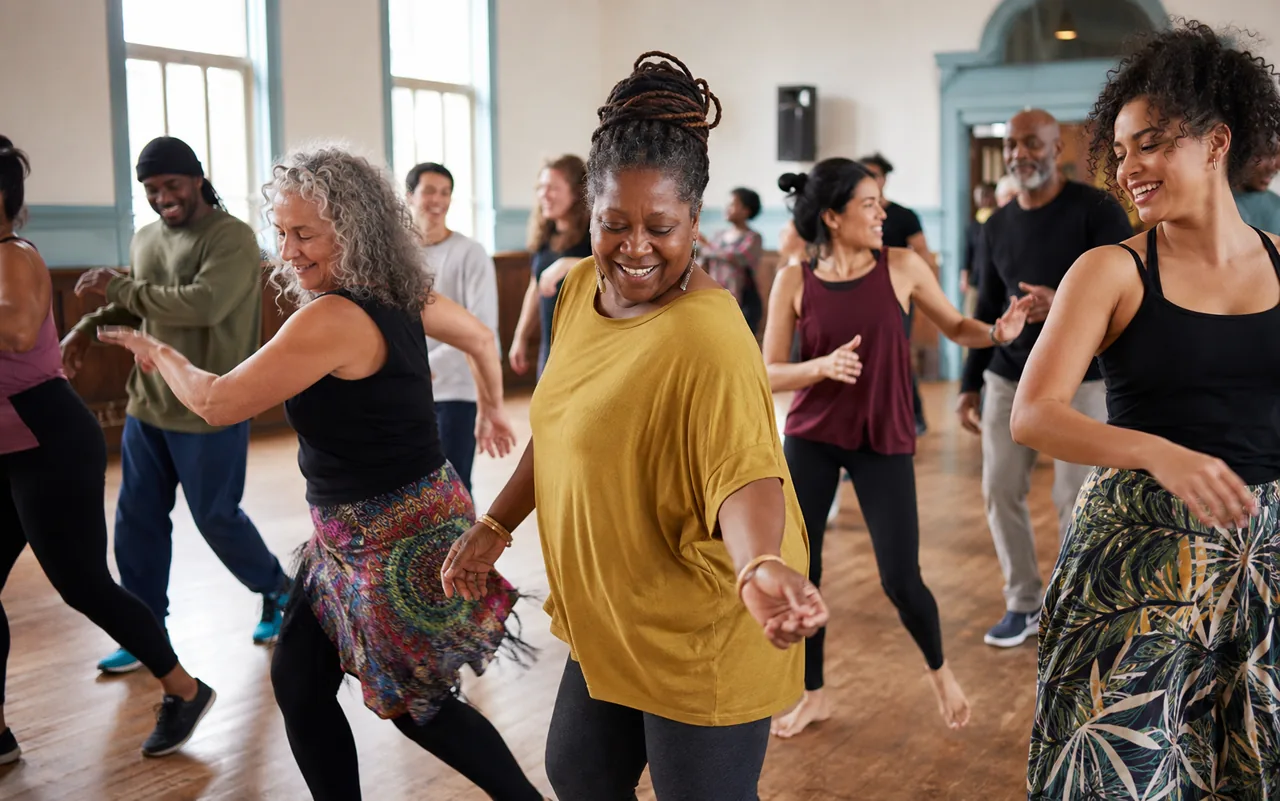
The community dance movement, which has grown steadily since the 1970s, takes these ideas seriously. Community dance practitioners work with people who would never describe themselves as dancers: older adults, people with disabilities, refugees, children, office workers. The goal is not to produce performers but to use movement as a tool for wellbeing, social inclusion, and creative expression.
Sessions might involve structured warm-ups, guided improvisation, and simple choreographic tasks that anyone can participate in regardless of experience. There is no right or wrong way to move. The emphasis is on process rather than product, on how the dancing feels rather than how it looks.
The results can be remarkable. Participants often report reduced anxiety, improved confidence, and a sense of belonging that carries over into other areas of their lives. For isolated individuals, a weekly dance session might be the only time they experience meaningful physical contact with other people.
Dance Floors as Democratic Spaces
One of the most powerful things about social dance is its democratic nature. On the dance floor, the usual hierarchies of daily life tend to dissolve. Age, profession, income, social status: none of these matter when you are trying to stay on beat with the person next to you. The only currency is willingness.
This egalitarian quality is part of what makes dance such an effective community builder. Unlike many social activities, it does not require expensive equipment, specialised knowledge, or even a common language. All it requires is a body, some music, and the courage to move.
Why It Still Matters
In an age of increasing isolation, where many people spend more time interacting with screens than with other humans, the simple act of dancing together feels almost radical. It forces us out of our heads and into our bodies, out of our private worlds and into shared space.
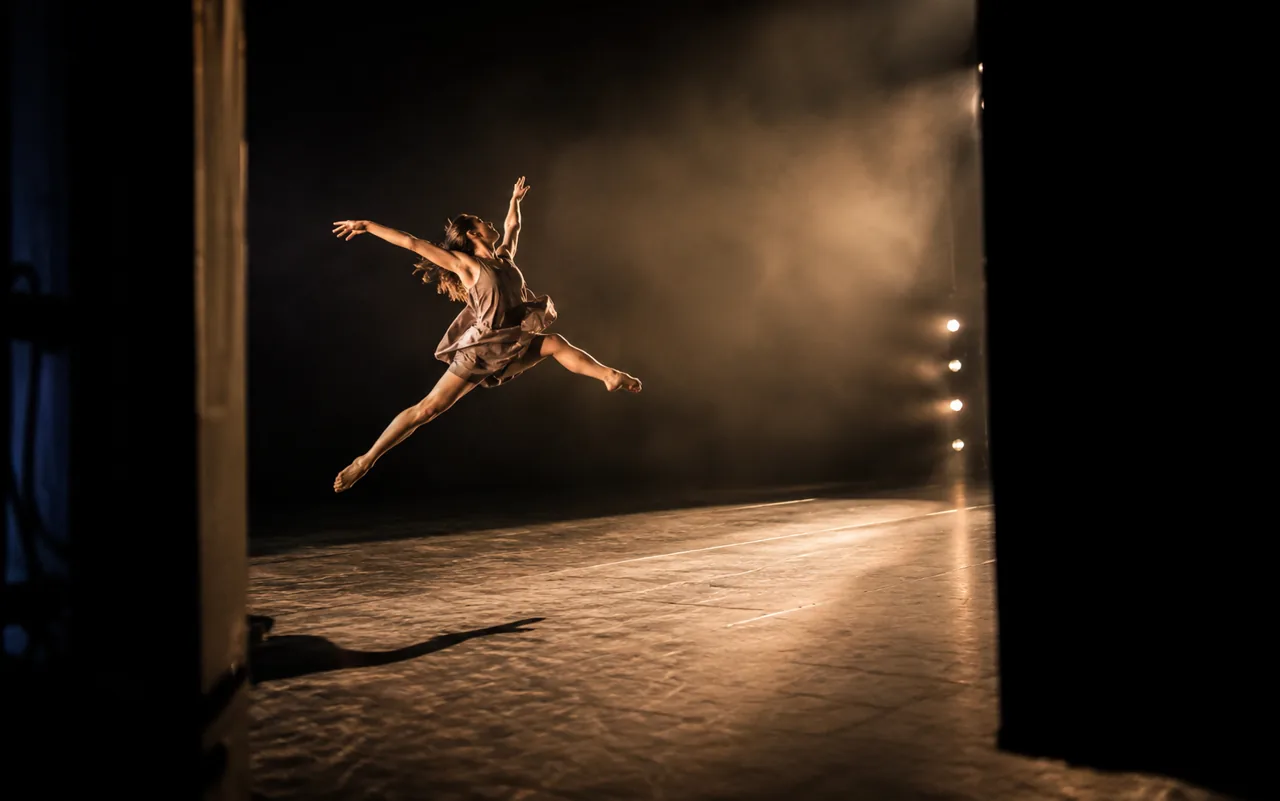
Community dance will never make headlines the way a Royal Ballet premiere does. It does not need to. Its power lies in its ordinariness, in the quiet transformation that happens when a group of strangers gathers in a room, puts on some music, and starts to move. That is where dance began, and in many ways, it is where dance is most alive.