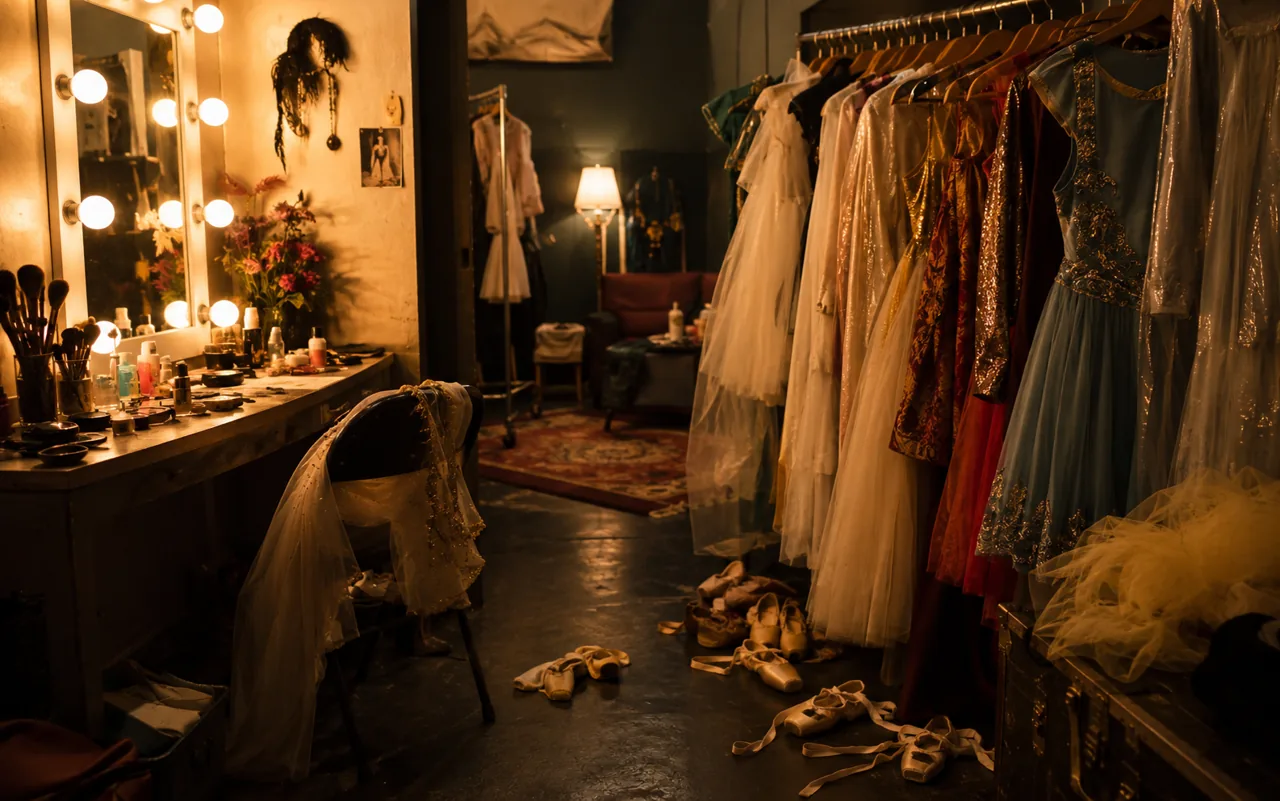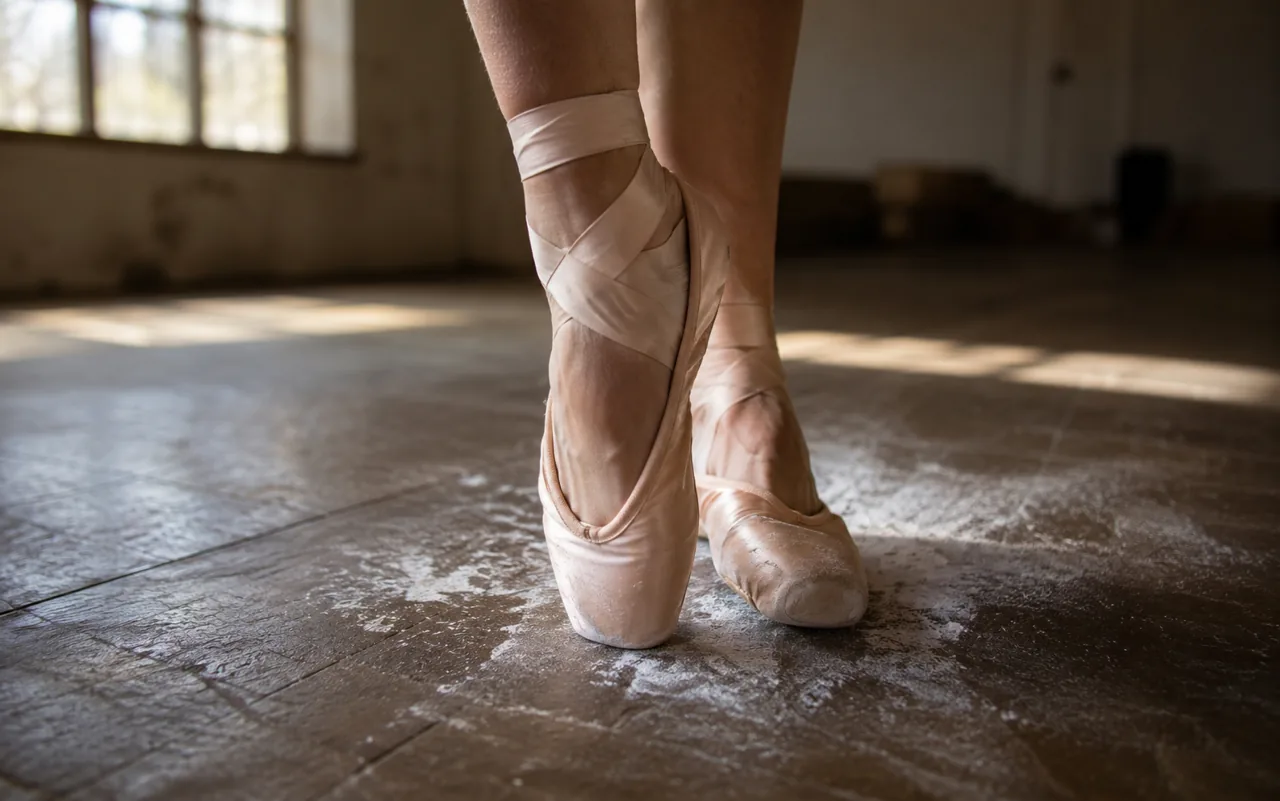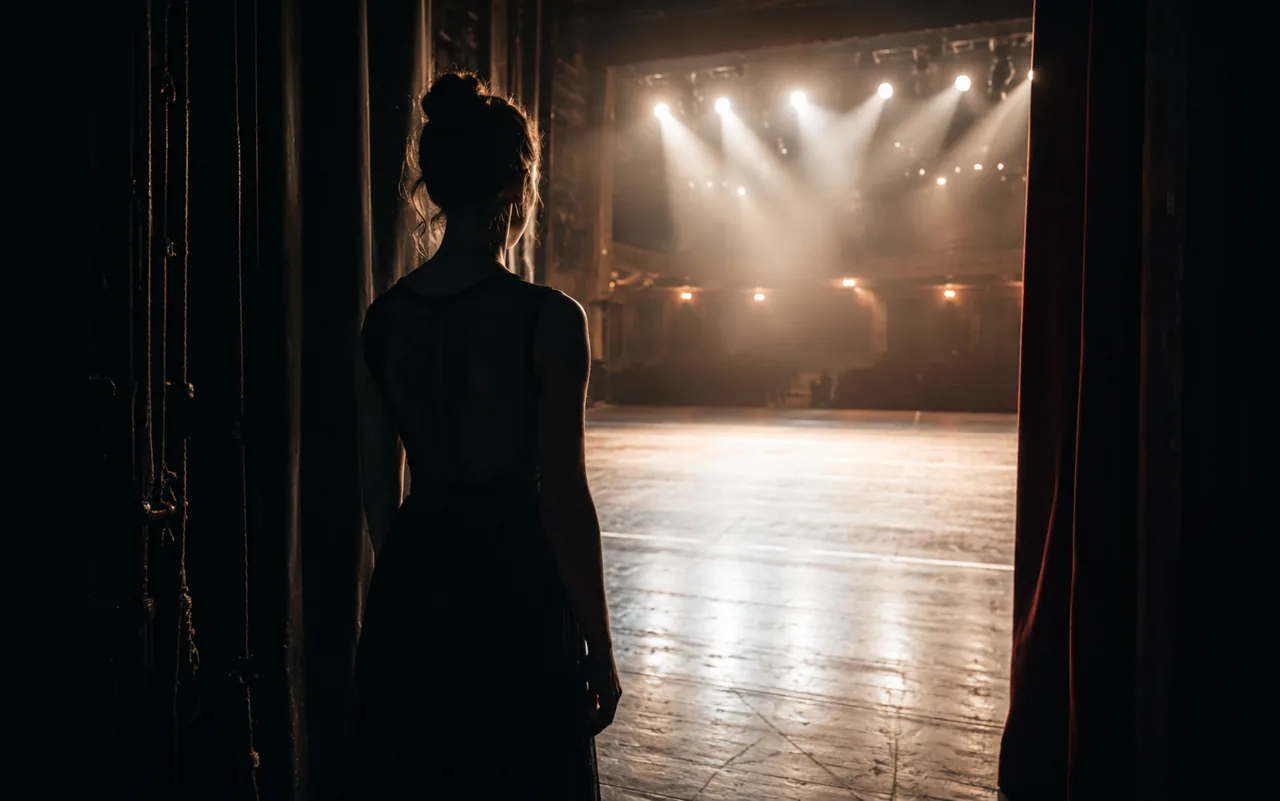
The lights are about to come up. You are standing in the wings, heart hammering, mouth dry, every muscle in your body simultaneously tense and trembling. You have rehearsed this piece dozens of times. You know it in your bones. And yet in this moment, with the audience settling into their seats just beyond the curtain, your mind is doing everything it can to convince you that you have forgotten everything.
Performance anxiety is one of the most common experiences in dance, and one of the least discussed. There is a persistent myth in the performing arts that nerves are a sign of weakness, that true professionals simply do not get scared. This is nonsense. The truth is that nearly every performer, from students to principal dancers with decades of experience, knows the cold grip of stage fright.
What Happens in the Body
Performance anxiety is, at its core, a stress response. The body perceives the upcoming performance as a threat and activates the fight-or-flight system. Adrenaline floods the bloodstream. The heart rate increases. Breathing becomes shallow. Muscles tighten. Digestion shuts down. The body is preparing for danger, even though the rational mind knows that the danger is simply an audience full of people who bought tickets because they want to be entertained.
For dancers, these physical symptoms can be particularly disabling. Tight muscles reduce flexibility and fluidity. Shallow breathing undermines stamina. Trembling hands and legs make precise movements difficult. The very systems that a dancer relies on are compromised at the exact moment they are needed most.
The Psychology of Stage Fright
Behind the physical symptoms lies a tangle of psychological factors. Fear of judgement is the most obvious: the awareness that hundreds of eyes are watching and evaluating every movement. But there are deeper anxieties at play too. Fear of forgetting choreography. Fear of injury. Fear of letting down fellow dancers or a choreographer who has invested months of work. And underneath all of these, the fundamental fear of being seen, truly seen, in a moment of vulnerability.
Perfectionism, which is rampant in the dance world, makes everything worse. Dancers who set impossibly high standards for themselves are more likely to experience debilitating anxiety because the gap between their ideal performance and the reality of any given night feels enormous and threatening.
Strategies That Actually Help
The good news is that performance anxiety is manageable. It may never disappear entirely, but it can be transformed from a paralysing force into something useful. Many experienced performers describe a point at which they learned to reframe their nerves as excitement, recognising that the physiological signs of fear and anticipation are almost identical.
Breathing techniques are among the most effective tools, as research into contemporary dance practice has explored in depth over the years. Slow, deep diaphragmatic breathing activates the parasympathetic nervous system, counteracting the stress response and bringing the body back to a calmer state. Many dancers develop pre-performance breathing rituals that they practise as faithfully as their warm-up.
Visualisation is another powerful technique. Rather than dwelling on what might go wrong, the performer mentally rehearses a successful performance, imagining themselves moving with confidence and ease. Research suggests that the brain responds to vivid visualisation in much the same way it responds to actual experience, building neural pathways that support the desired outcome.
The Gift of Nerves
Perhaps the most important shift is understanding that some degree of anxiety is not just normal but valuable. A performer who feels nothing before going on stage is unlikely to deliver a compelling performance. The adrenaline that accompanies nervousness sharpens focus, heightens awareness, and provides a burst of energy that can elevate a performance from competent to electric.
The goal, then, is not to eliminate anxiety but to develop a healthy relationship with it. To acknowledge the fear, thank it for showing up, and then step into the light anyway. That, ultimately, is what performance is all about: the courage to be present, imperfect, and fully alive in front of other people.