There is a world behind every performance that the audience never sees. It exists in the narrow corridors and cluttered dressing rooms of theatres, in the half-light of the wings where dancers stretch and pace and whisper to each other. It is a world of rituals and superstitions, of quiet focus and barely contained chaos, and it is every bit as compelling as what happens on stage.
The Hours Before
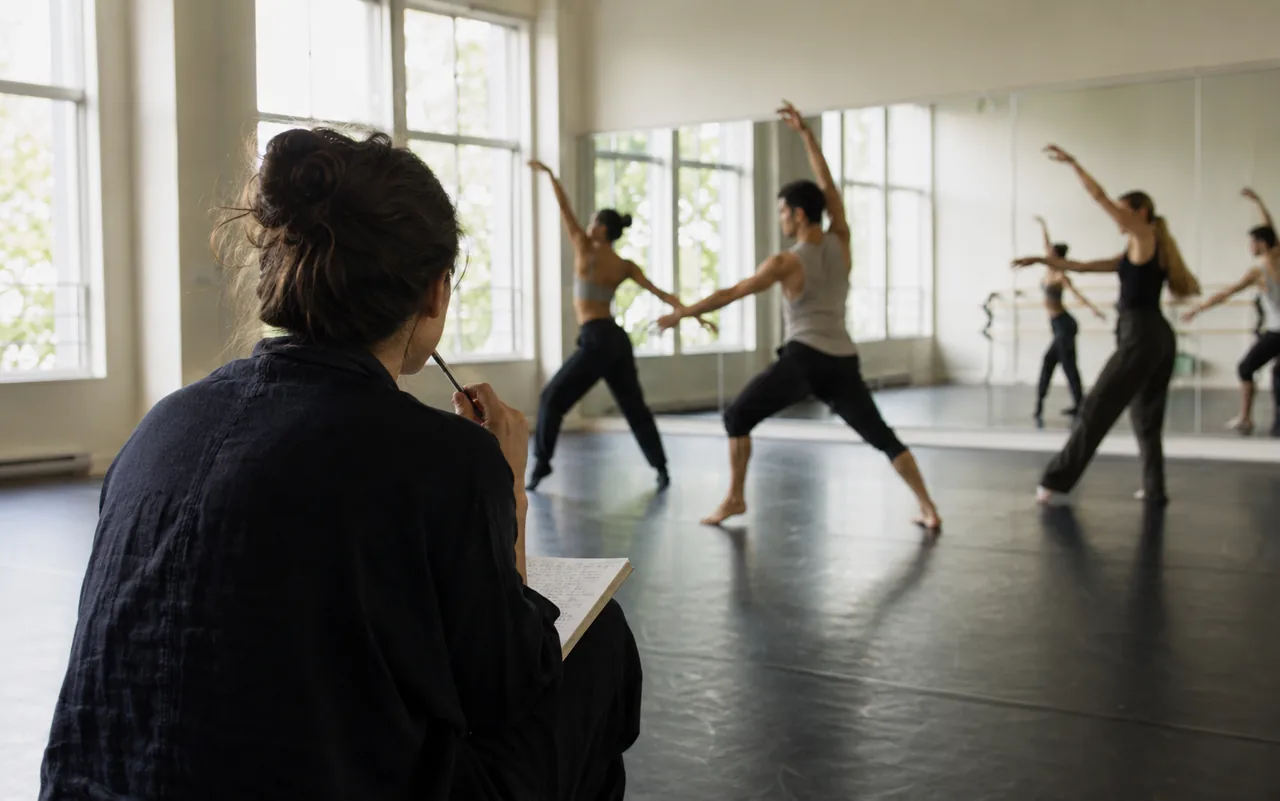
For most professional dance companies, the day of a performance begins long before the audience arrives. Dancers typically arrive at the theatre several hours early, often while the technical crew is still adjusting lights and running sound checks. The first order of business is always the same: claim a space in the dressing room, lay out costumes, and begin the slow process of preparing the body.
Warm-up routines vary enormously from dancer to dancer. Some follow a rigorous sequence of exercises developed over years. Others prefer a gentler approach, working through a series of stretches and floor work to ease the body into readiness. A few do very little physical preparation at all, relying instead on mental rehearsal and breathing techniques to bring themselves into the right state.
What nearly all dancers share is a set of personal rituals. These might seem trivial to an outsider: always putting the left shoe on first, touching a particular spot on the stage before the show, listening to the same song in the dressing room. But for performers operating at the edge of their abilities, these small habits provide a sense of control in an environment where so much is unpredictable.
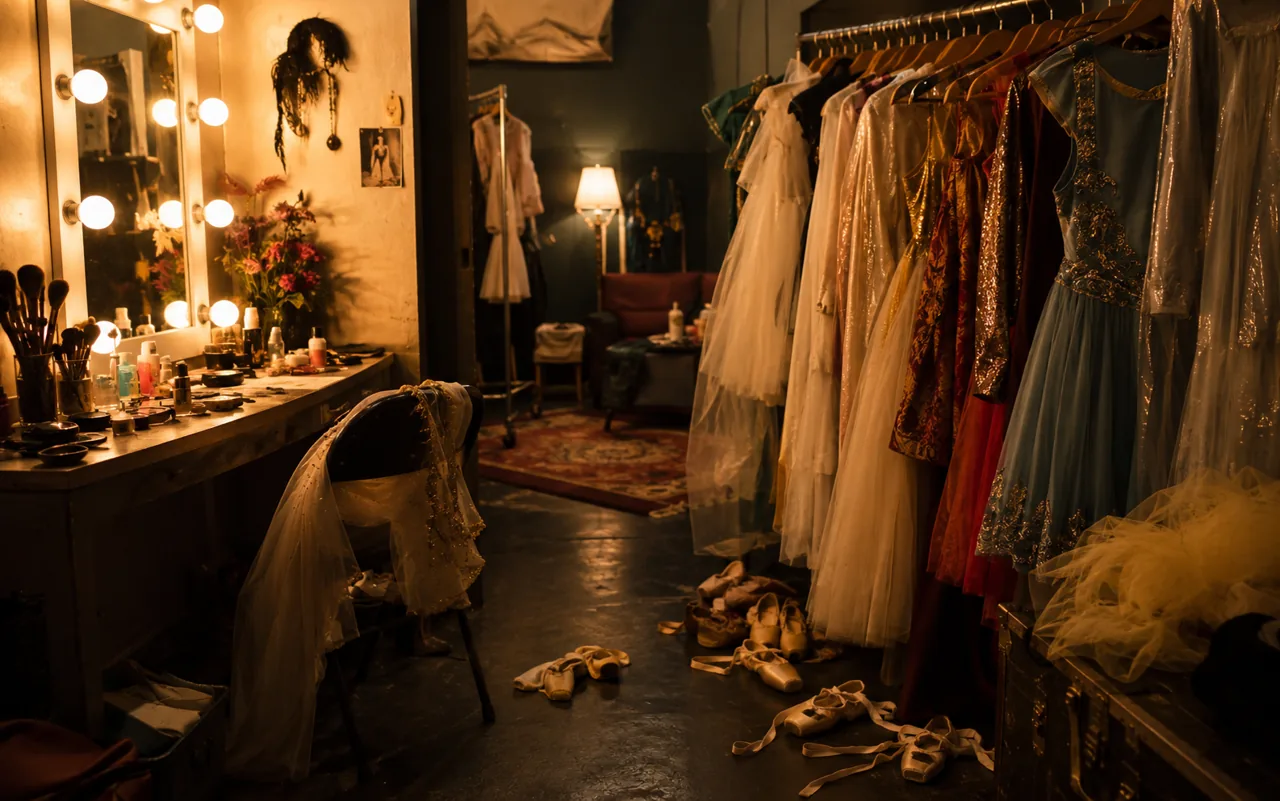
The Dressing Room
Dressing rooms are strange places. They are simultaneously intimate and communal, spaces where dancers change clothes, apply makeup, tape injuries, and manage their emotions in close proximity to their colleagues. The atmosphere shifts constantly. At one moment it might be raucous with laughter and shared jokes. The next, it might fall quiet as the reality of the impending performance settles over the room.
There is a particular kind of camaraderie that develops backstage. Dancers see each other at their most vulnerable: nervous, exhausted, dealing with injuries, managing personal crises. This shared vulnerability creates bonds that are difficult to replicate in other professions. As performing arts publications have often explored in their features on company life, the backstage relationships between performers are frequently as complex and emotionally rich as anything depicted on stage.
The Final Moments
As showtime approaches, the backstage atmosphere changes. Conversations become quieter. Dancers begin to withdraw into themselves, each finding their own way to transition from the ordinary world into the heightened reality of performance. Some listen to music through earphones. Others stand alone in a corner, eyes closed, running through choreography in their minds. A few pace restlessly, burning off excess energy.
The stage manager's calls punctuate this transition. "Half hour." "Fifteen minutes." "Five minutes." "Beginners, please." Each announcement ratchets the tension up another notch. By the time the final call comes, the backstage area has become electric with concentrated energy, a roomful of bodies primed for the extraordinary physical and emotional demands of the next ninety minutes.
The Moment of Transition
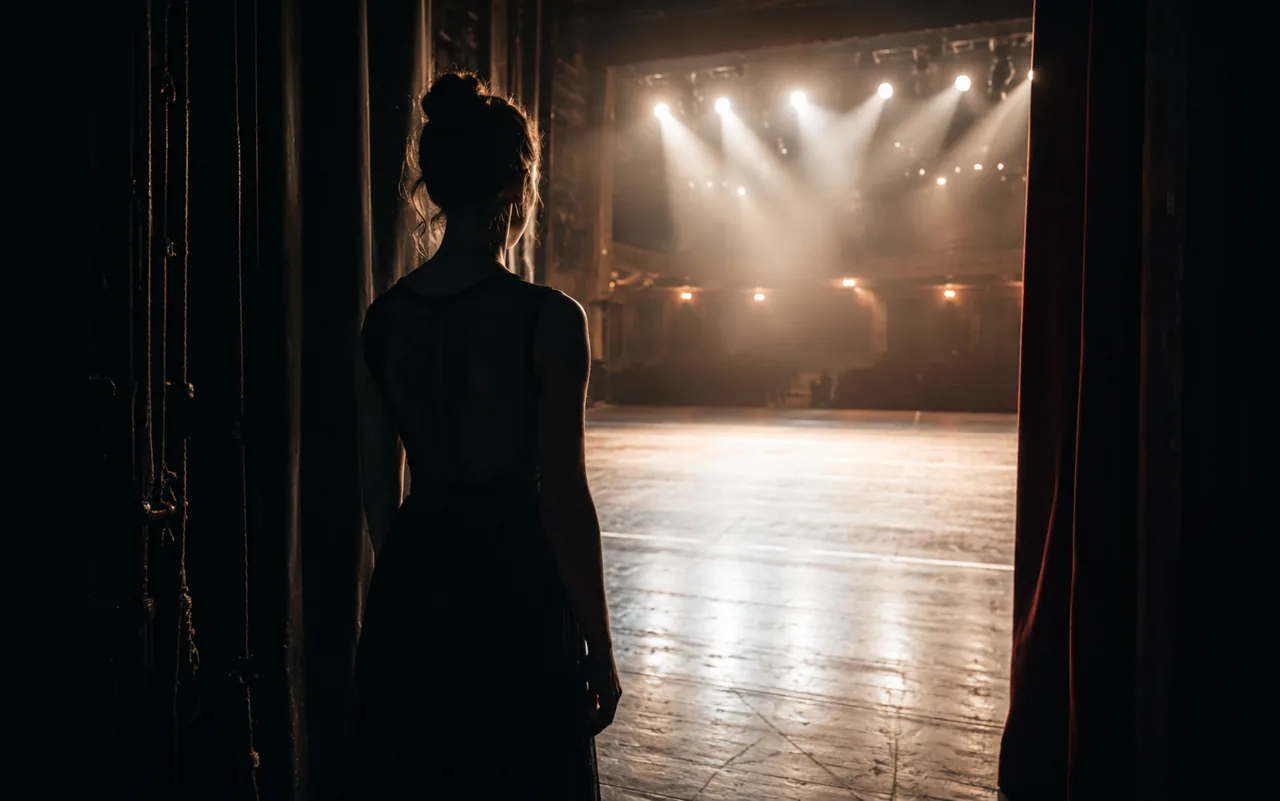
And then, suddenly, it is time. The house lights dim. The audience falls silent. The stage lights come up, casting their warm pools across the empty floor. And the dancers step out of the shadows, leaving behind the ordinary world of dressing rooms and warm-ups and nervous rituals, and entering the extraordinary world of performance.
This moment of transition, from backstage to stage, from preparation to action, from private to public, is one of the most powerful experiences in a dancer's life. No matter how many times it happens, it never quite becomes routine. There is always that catch of breath, that surge of adrenaline, that thrilling sense that anything could happen next. And usually, something wonderful does.