For centuries, the basic contract of live performance has remained the same: performers occupy a designated space, audiences gather to watch, and something unrepeatable happens in the shared present moment. But that contract is being renegotiated. New technologies, shifting audience expectations, and the lingering effects of a global pandemic are all reshaping what live performance looks like, who it is for, and where it happens.
The Hybrid Model
One of the most significant shifts has been the rise of hybrid performance, work that exists simultaneously in a physical venue and online. During the pandemic lockdowns, companies were forced to stream their work or cease producing altogether. Many discovered that digital audiences were far larger than anything they could fit in a theatre. The question now is whether these two audiences, live and remote, can be served by the same event.
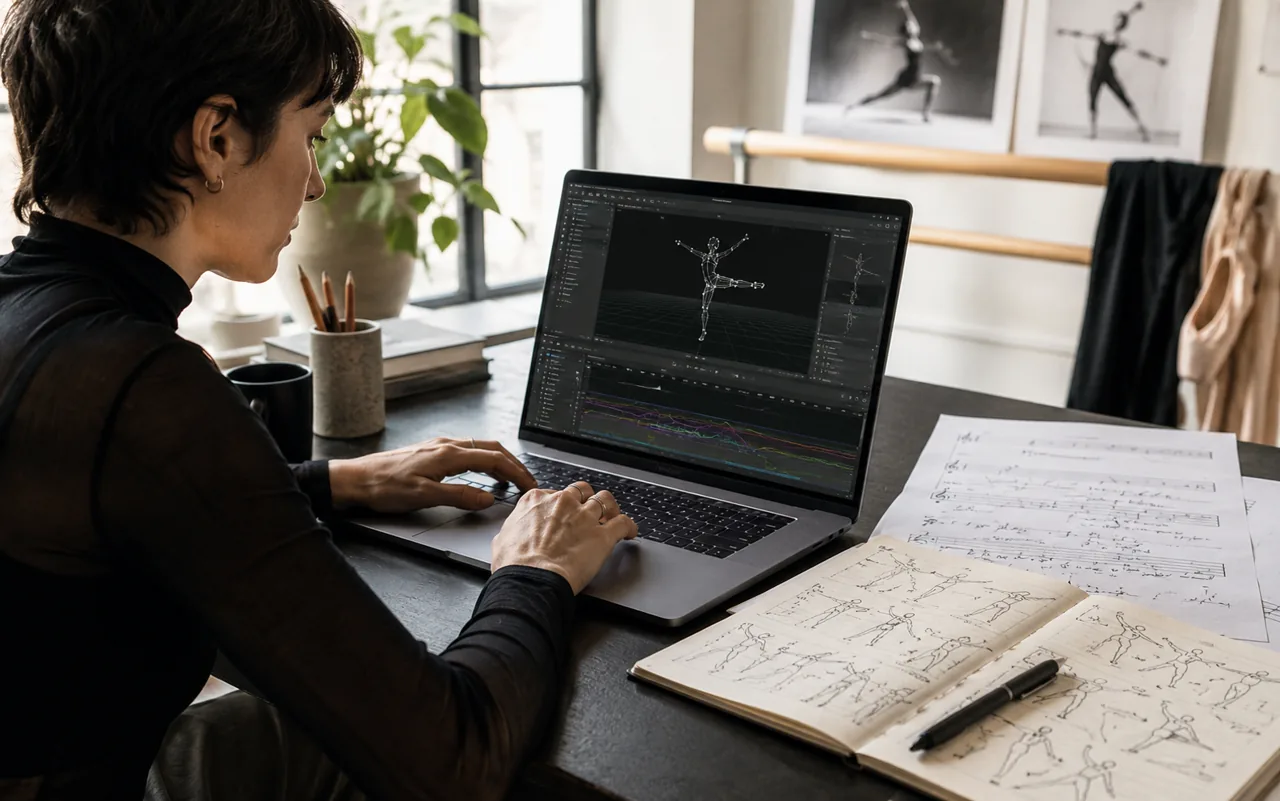
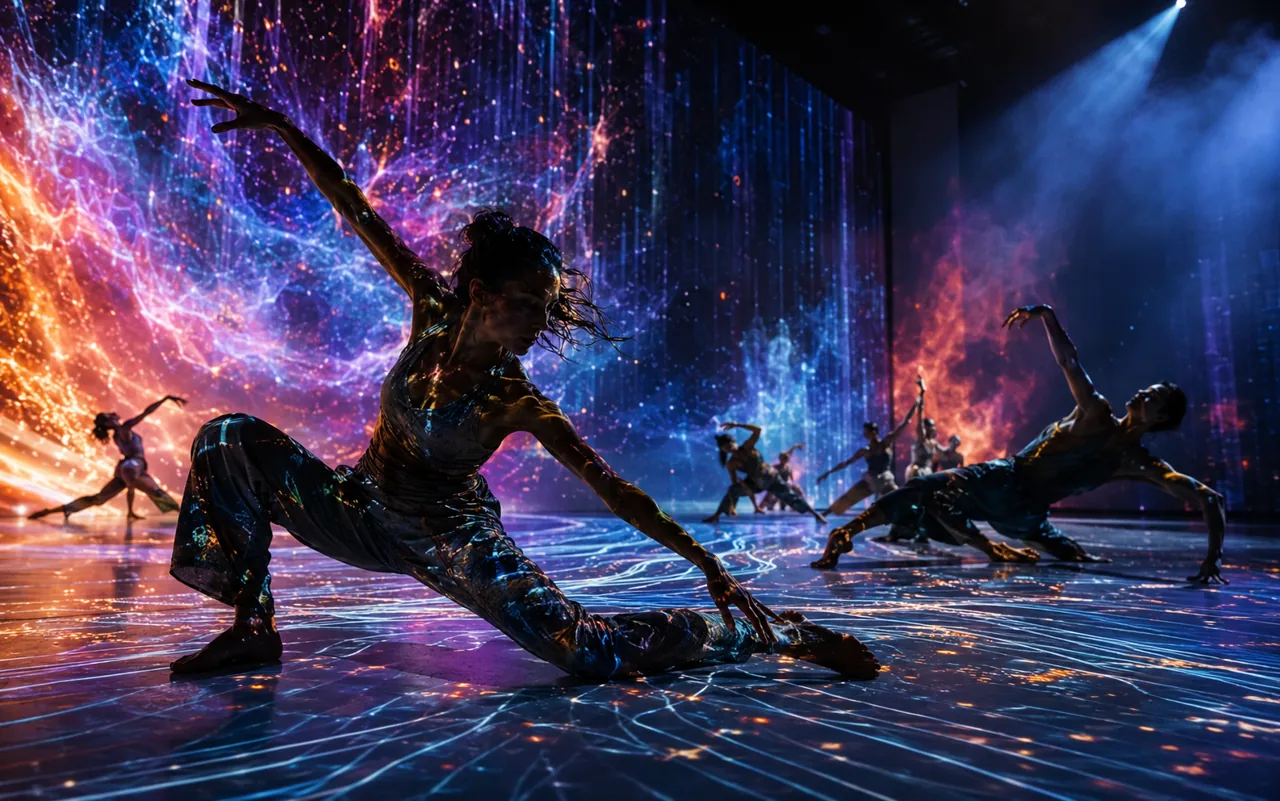
The answer, so far, is complicated. A dance performance filmed from a single camera angle and streamed to a laptop is a fundamentally different experience from being in the room. The energy, the sound of breath, the vibration of feet on a wooden floor: these elements do not translate through a screen. But some companies are finding creative solutions, using multiple cameras, immersive audio, and interactive elements to create a digital experience that is not a pale imitation of the live event but something entirely different.
New Venues, New Audiences
The traditional theatre, with its raked seating and proscenium arch, is not disappearing. But it is being supplemented by a proliferation of alternative venues. Dance is happening in galleries, parks, shopping centres, car parks, and private homes. Some companies are creating work specifically designed for unusual spaces, using the architecture and atmosphere of each location as part of the performance itself.
This move out of traditional venues is partly practical. Theatre rental is expensive, and many independent companies cannot afford it. But it is also philosophical. Taking dance to unexpected places is a way of reaching audiences who would never buy a ticket to a theatre, whether because of cost, geography, cultural unfamiliarity, or simply because it has never occurred to them that dance might be something they would enjoy.
The Audience as Participant
The passive audience, sitting quietly in the dark, is giving way to a more active model of spectatorship. Immersive performances invite audiences to move through the space, to make choices about what to watch and where to go. Some works give audiences agency over the outcome, allowing them to vote on what happens next or to physically interact with performers.
This participatory turn reflects broader cultural trends. People accustomed to interacting with content on their phones and computers expect a similar level of engagement from their cultural experiences. The challenge for artists is to offer meaningful participation without reducing the work to a gimmick or surrendering artistic control entirely.
What Remains Essential
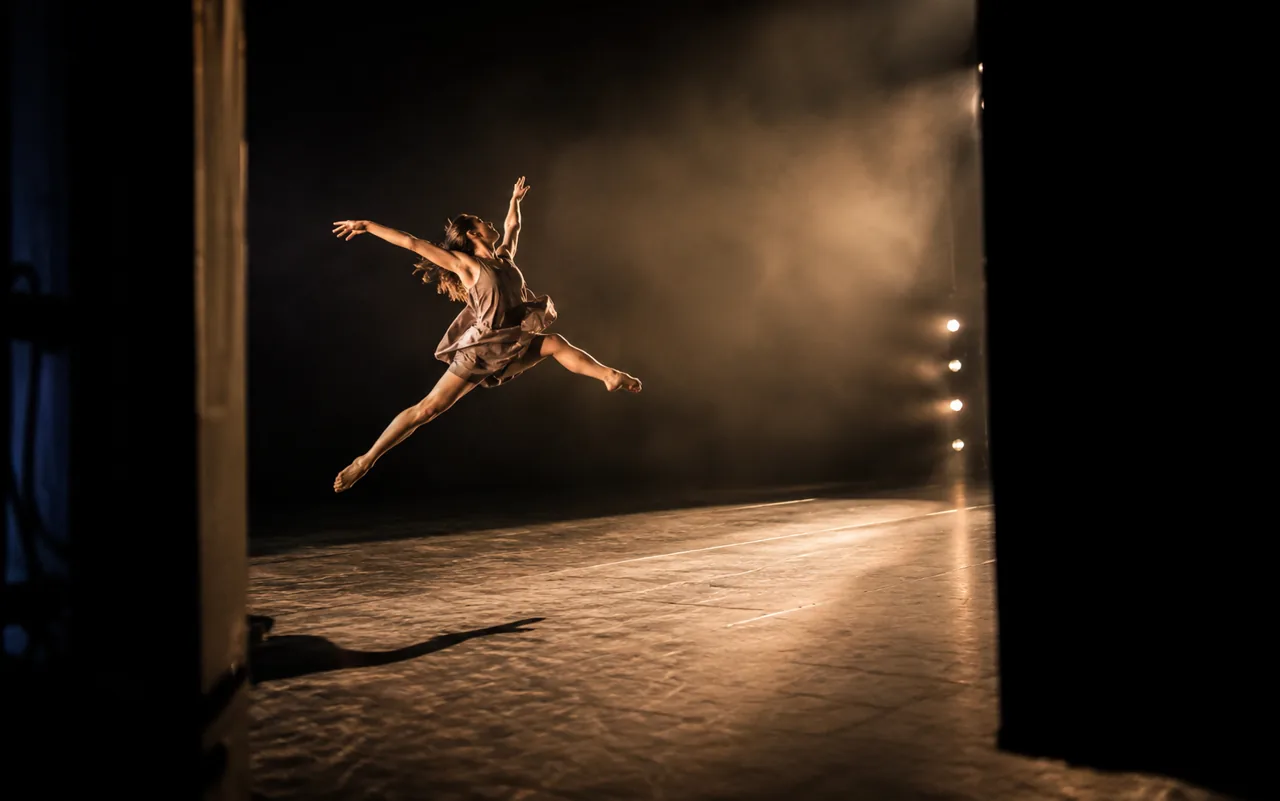
For all the changes happening around it, the core of live performance remains stubbornly unchanged. It is still one human body moving in the presence of another human consciousness. It is still an act of radical presence, a refusal to be mediated or filtered. In a world increasingly dominated by screens and algorithms, this quality of liveness may become not less relevant but more so.
The future of live performance will almost certainly involve more technology, more experimentation, and more diversity of form. But the thing that makes it irreplaceable, the shared experience of being alive in a room with other people while something extraordinary happens, is not going anywhere. If anything, our hunger for it is growing stronger. The stage may look different in ten or twenty years. The human need for live art will not.